

WSJ Cambodia Headline Slur: What Can Be Done?
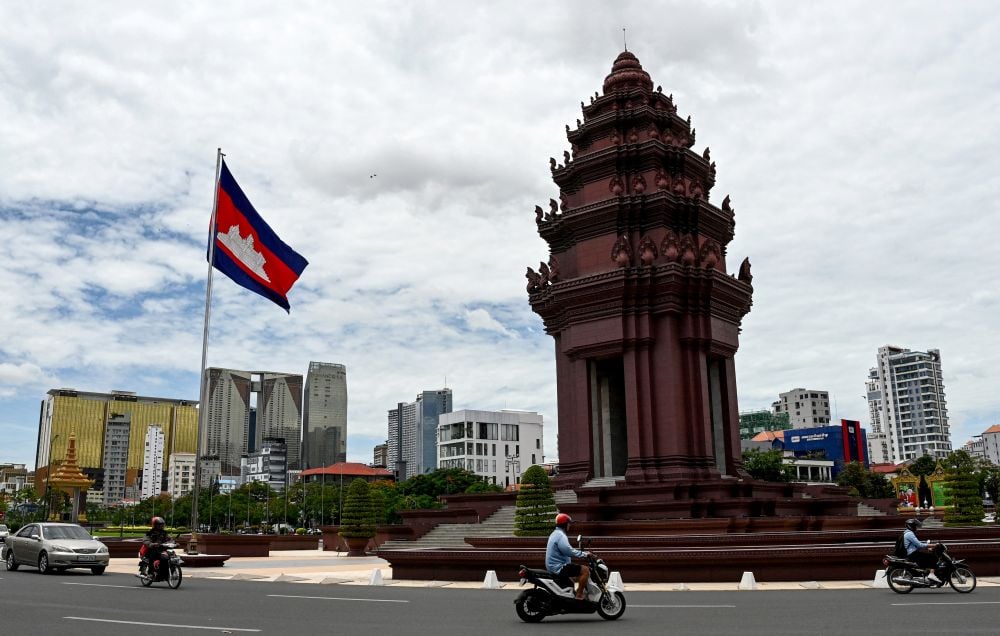
PHNOM PENH – The Wall Street Journal’s recent use of the derogatory term “Scambodia” in a headline has sparked a backlash and debate among Cambodians, exposing deeper tensions over national image and accountability.
The article, titled “How Cybercrime Became a Leading Industry in ‘Scambodia’,” was co-authored by Southeast Asia bureau chief Gabriele Steinhauser and Singapore-based reporter Patricia Kowsmann.
Following its publication, the Ministry of Information condemned the headline as editorial malpractice and called for a correction. Ministry spokesperson Tep Asnarith said the use of “insulting” and “unprofessional” language undermines Cambodia’s dignity and misrepresents its efforts to combat cybercrime.
Meanwhile, President of the Cambodia Human Rights Committee, Keo Remy, in a letter issued on April 22, called for a review and removal of the term used in the title.
He said that the use of such language is not only a matter of national image but also one of human rights.
“Language that labels or stereotypes a nation can undermine the dignity and reputation of its people,” he wrote.
The letter also suggested that the term emerged during past tensions between Cambodia and Thailand, where it was used to vilify Cambodia, inflict psychological harm, and diminish the country’s standing.
Public reaction has been similarly critical. Many Cambodians argued that such language is inappropriate for a reputable international publication and unfairly reduces a nation of 17 million people to a single issue. While acknowledging that scam operations are a transnational problem, they said the label disrespects ordinary citizens and risks harming the country’s image.
They argued a more neutral headline could have fostered cooperation rather than backlash, adding that shaming language is more likely to provoke defensiveness than constructive engagement.
Still, controversial framing by Western media is not new. The Wall Street Journal previously drew criticism in 2019 over its reporting on Cambodia’s Ream Naval Base, which suggested a possible agreement allowing Chinese military access.
In this case, however, the substance of the report is less contested than the headline itself. The article attributes the term “Scambodia” to foreign diplomats, describing it as informal shorthand linked to cybercrime concerns.
While the newspaper did not coin the term, its origins remain unclear; online records suggest it has circulated since at least 2024 and has gained traction in regional discourse, including in Thai media during recent border fighting.
Cambodia has taken steps to address the issue. A new law targeting online scams and cybercrime came into force in early April, signaling a stronger policy response.
Prime Minister Hun Manet has described the scam industry as a serious threat to the country’s economy and international image.
However, observers say success will depend on consistent enforcement, including action against powerful actors.
Focus Should Be on the Problem, Not the Label
So Phina, a Cambodian novelist and translator, said she felt hurt by the headline, describing it as deeply insulting.
“As a Cambodian, I feel the pain. We have been insulted,” she said, adding that labeling a country in such a way should not be acceptable.
Yet she also stressed the importance of looking beyond the headline.
“We want to see the government eliminate scam networks completely to restore our image, revive tourism and rebuild investor confidence,” she said.
Geopolitical analyst Seng Vanly echoed this view, urging a measured response rather than focusing on the use of insulting language.
“Rejecting or condemning such language emotionally only shows weakness,” he said. “The real response should be effective reform.”
He argued that Cambodia should channel public frustration into structural change, focusing on the root causes of cybercrime and human trafficking.
“Only real results can counter negative perceptions,” he said. “Reputation improves when it no longer reflects reality on the ground.”
Vanly also called for greater transparency, stronger cooperation with international law enforcement, and increased support for local journalists investigating scam networks.
“Accurate reporting helps us confront problems early, before they escalate beyond our borders,” he said.
Fostering Positive Narratives
While reforms and enforcement are essential, Vanly said restoring Cambodia’s national image also requires building a stronger narrative across sectors such as science, education, entrepreneurship and youth. These emerging strengths, he argued, can help counter negative perceptions and gradually outweigh the country’s association with scam networks.
Bradley Jensen Murg, Provost and Professor of International Relations at Paragon University, shared a similar view. He said that although the article was harsh, it raises a more important question: why the portrayal felt plausible to so many readers.
“The article was not the origin of the problem. It was evidence that the problem had already traveled and metastasized,” he said.
Murg added that the issue is not global fixation on Cambodia, but rather limited global awareness.
“The world mostly does not think about Cambodia,” he said. “And when it does, it reaches for a small number of familiar reference points. That is why reputational shocks hit so hard.”
To shift this dynamic, he argued, Cambodia does not need to win arguments with critics, but to broaden how it is perceived internationally.
“It needs to expand the world’s mental map of Cambodia. More reasons to think of the country beyond temples, tragedy and scams,” he said. “More credible enforcement against criminal networks. More visible institutional competence.”
He also stressed the importance of generating more success stories across sectors such as education, manufacturing, logistics, technology, the arts and governance. Over time, these positive and ordinary experiences can reshape perceptions.
“Only then does the shorthand lose force,” he said. “Until then, anger at foreign headlines is understandable, but secondary.”
Source: Cambodianess